Claude found a CRISPR-like system in DNA on its own
Anthropic's agents spent over 21 hours analysing thousands of sequences and identified an enzyme system never described before. What it does is still unknown, and many scientists urge caution.
by Mattia Panatta
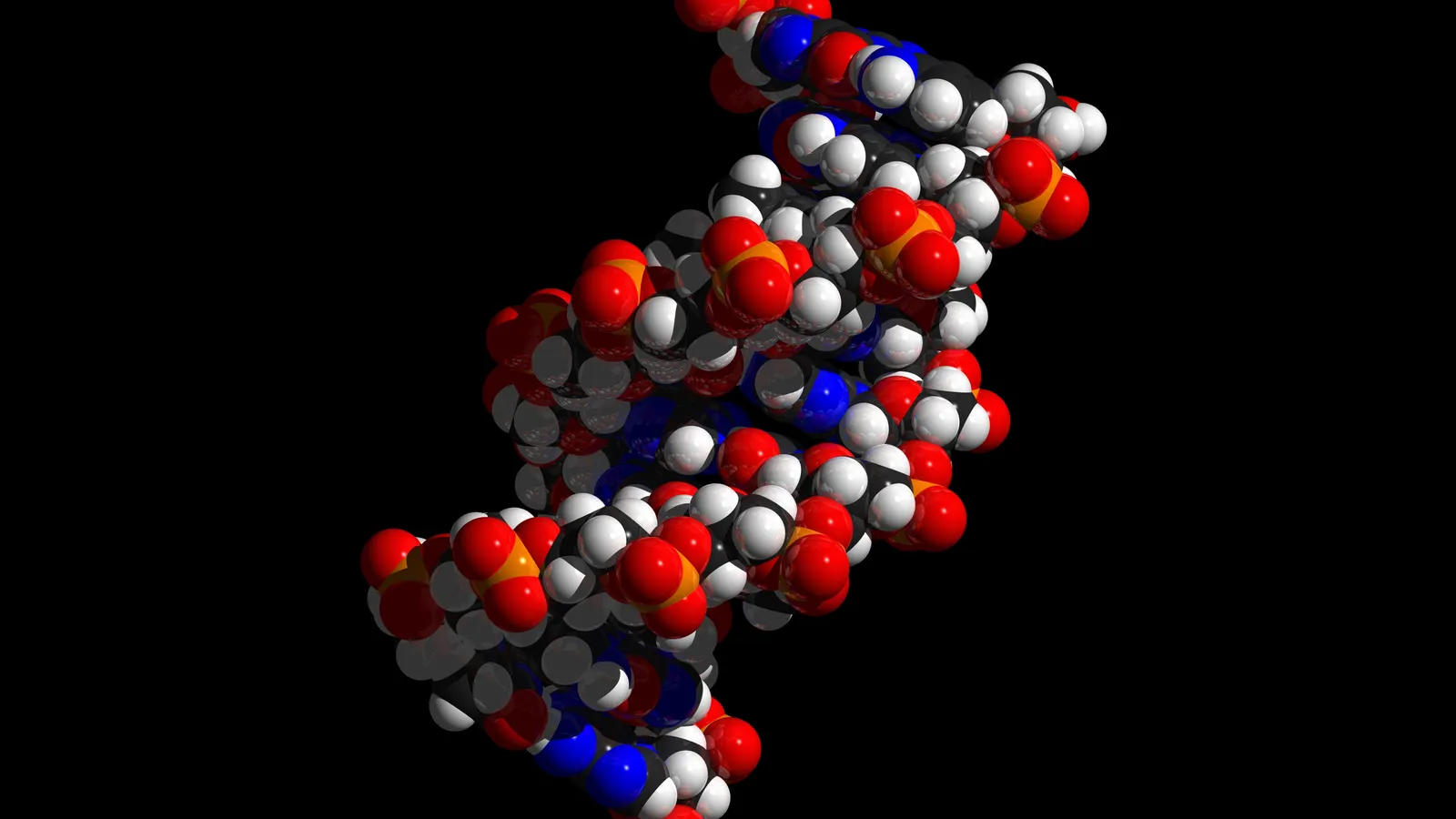
At the end of September Anthropic’s new life sciences group described an unusual experiment: a team of agents based on Claude autonomously examined the DNA of viruses that infect bacteria and identified an enzyme system never described before. In recent days the story has returned to the centre of scientific debate, with both enthusiastic and very cautious reactions.
What was found
The system is called ART (array-associated reverse transcriptase). It’s an enzyme next to a series of short repeats in DNA, a structure reminiscent of CRISPR, the bacterial system behind modern gene-editing techniques. The enzyme itself was already known; according to Anthropic, Claude was the first to notice the features of the whole system.
The work, described in a preprint, ran for 21 and a half hours without human intervention: almost a thousand agent sessions and over 200 million tokens. One of the agents wrote that it had spotted the repeat pattern “by eye”, as a researcher would.
Why caution is needed
- Nobody knows yet what ART does: it’s a hypothesis to be tested in the lab.
- The work is a preprint, not yet reviewed by other scientists.
- Several biologists, interviewed by CNN and other outlets, question how much the discovery is truly “Claude’s” and how new it is.
My take
Beyond the single discovery, the interesting part is the method: agents working for a whole day on scientific data, forming hypotheses and explaining them. It’s the shift from “AI that answers” to “AI that searches”. But it’s also a great example of how to read this kind of news: a promising result, still to be confirmed, told by those who built the tool. The rule I repeat in the lesson on research with AI applies here too: a citation, or an announcement, is not a verification.